Most people buy toys by breed or by what looked appealing on the shelf, and then wonder why half of them are ignored. A more reliable approach is to work out how the animal actually plays, because play style varies enormously within a breed and barely at all within an individual.
The five styles
Chasers
Motivated by movement. They want something thrown, rolled or dragged, and lose interest the moment it stops. Flying discs, balls and anything that moves unpredictably.
Watch the retrieve, though: many chasers love pursuing and have no interest in bringing anything back. That is not a training failure, it is the style.
Chewers
Motivated by pressure and texture. Chewing is self-soothing, and a chewer will settle with a toy for a long stretch. They need durable material sized so they cannot get the whole thing behind the back teeth.
Shredders
Motivated by dismantling. They will take the stuffing out of anything and appear destructive. The honest answer is to give them things designed to be taken apart, supervised, rather than trying to buy something they cannot open.
Problem solvers
Motivated by figuring it out. Puzzle feeders and treat-dispensing toys hold their attention far longer than anything thrown. This is the style most under-served in an average household.
Stalkers
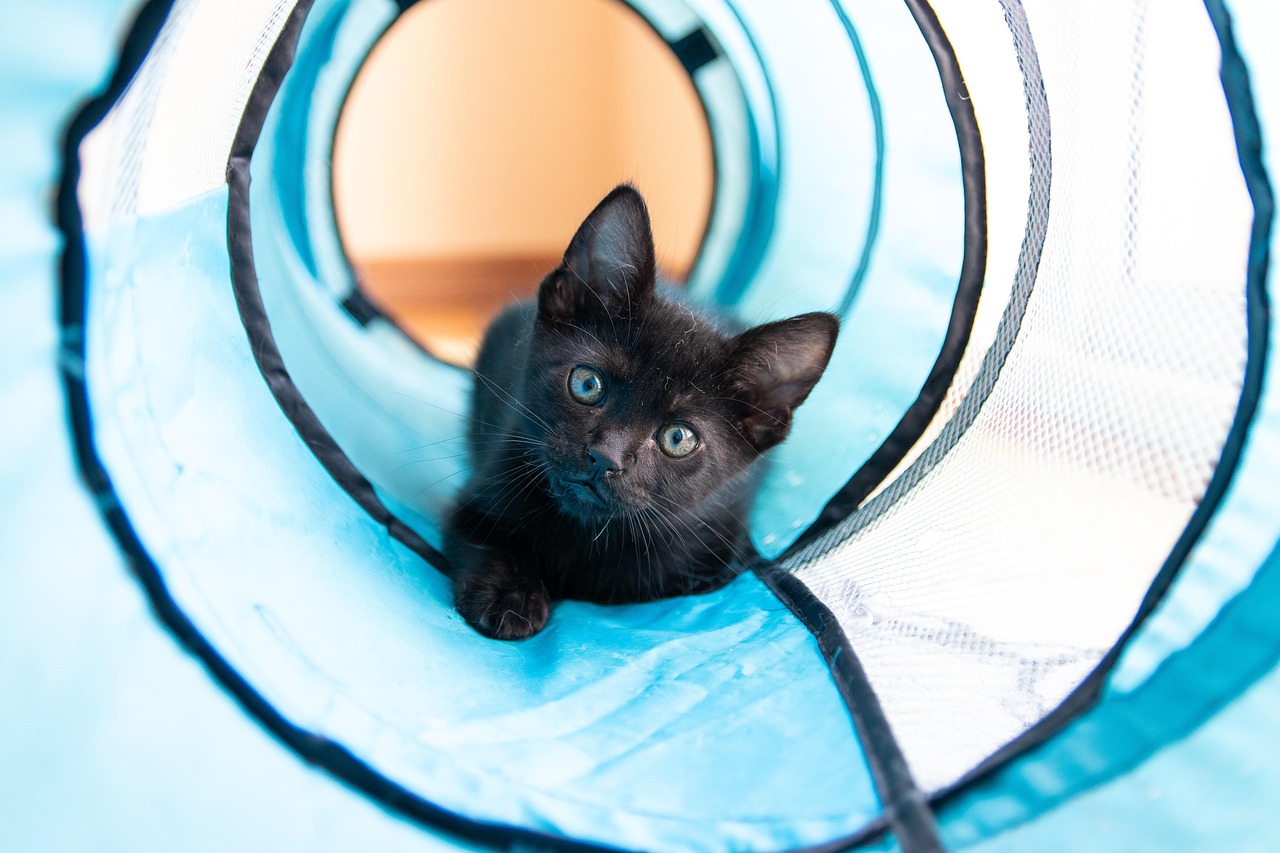
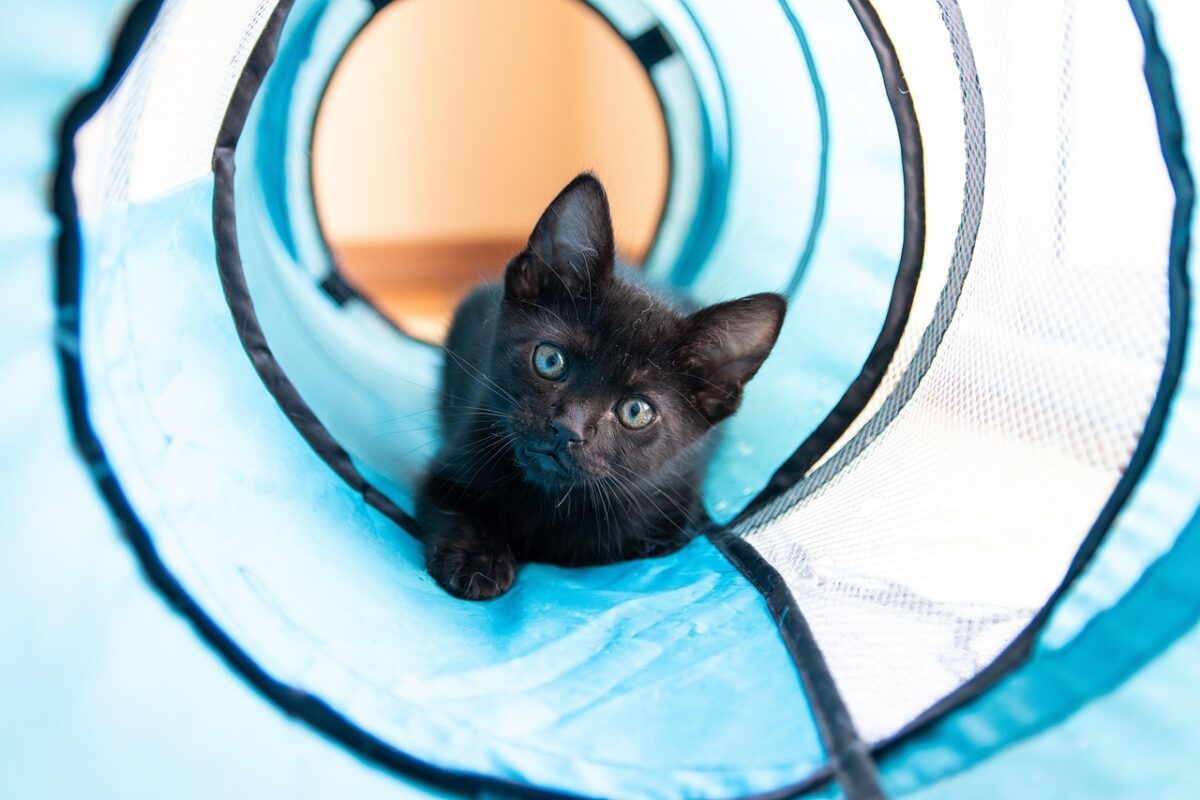
Mostly cats, and a few dogs. Motivated by a sequence: watch, stalk, pounce, catch. Wand toys work because they allow the whole sequence; a ball left on the floor does not.
Identifying which you have
Put out four toys of different kinds and watch for a week without steering the animal. What gets picked up first, what gets carried around, and what gets abandoned within ten seconds tells you more than any breed guide.
Most animals have a dominant style and a secondary one. Buy mostly for the dominant.
Buying by style
- Chasers: discs, balls, tug ropes — our dog toys range.
- Chewers: durable rubber, sized up rather than down.
- Shredders: plush with supervision, or purpose-made dismantle toys.
- Solvers: puzzle feeders and stuffable toys.
- Stalkers: wand toys and anything that moves erratically — see cat and catnip toys and interactive and electronic toys.
Puzzle toys work best with real food
A puzzle loaded with high-value treats gets solved once and then wants more treats. A puzzle loaded with part of the ordinary meal can be used every day without the animal gaining weight.
Start easy — loosely packed, large openings — and increase difficulty as the animal gets the idea. A puzzle that is never solved gets abandoned, and abandoned toys stay abandoned.
Rotation matters more than quantity
Dogs and cats habituate quickly. Twelve toys permanently available produces an animal that looks bored with all twelve. Keep half in a cupboard, swap weekly, and the same toys stay interesting for months.
This is the cheapest improvement available in any household with a toy box.
Sizing, briefly
The one hard safety rule: the animal must not be able to fit the whole toy behind its back teeth. When choosing between two sizes, take the larger.
Balls in particular cause problems. A ball that sits neatly in a large dog’s mouth is exactly the wrong size, and this is a well-documented cause of choking.
Interactive toys and when they help
Self-moving and laser toys occupy an animal without a person present, which is genuinely useful for households out during the day.
One caveat for cats and lasers: a laser gives the stalk and the pounce but never the catch, and some cats become frustrated by a hunt that never completes. End every laser session by landing the dot on a physical toy or a few treats so the sequence resolves.
Powered toys are listed under interactive and electronic toys with the power source on each listing.
Two species, one household
If you have both, keep dog toys and cat toys separate. Cat toys are small enough to be swallowed by a dog, and a dog chew is heavy enough to be unpleasant for a cat.
Store them apart, and pick up cat wand toys after each session — the string is the hazard, not the toy on the end.
We are on North Sepulveda Boulevard and open seven days. Ask us about a specific animal, see the FAQ, or browse the range.
From our shelves
Products in this store that relate to what is covered above:
Prices are in US dollars. Delivery timings are on our shipping policy page and the return and refund policy sets out the window if something is not right.
Key points
- Sort toys by what the animal does with them — chase, chew, solve, shred, stalk — rather than by breed or brand.
- A dog that ignores fetch is not stubborn; it is probably a chewer or a shredder, and needs a different category.
- Puzzle toys work best replacing part of a meal rather than adding food on top of it.
- Rotate weekly. Habituation, not durability, is why a full toy box looks boring.
- Buy the larger size where you are between two — a toy that fits behind the back teeth is a hazard.
- Watch a new toy in use before it becomes an unsupervised item.
Related reading